
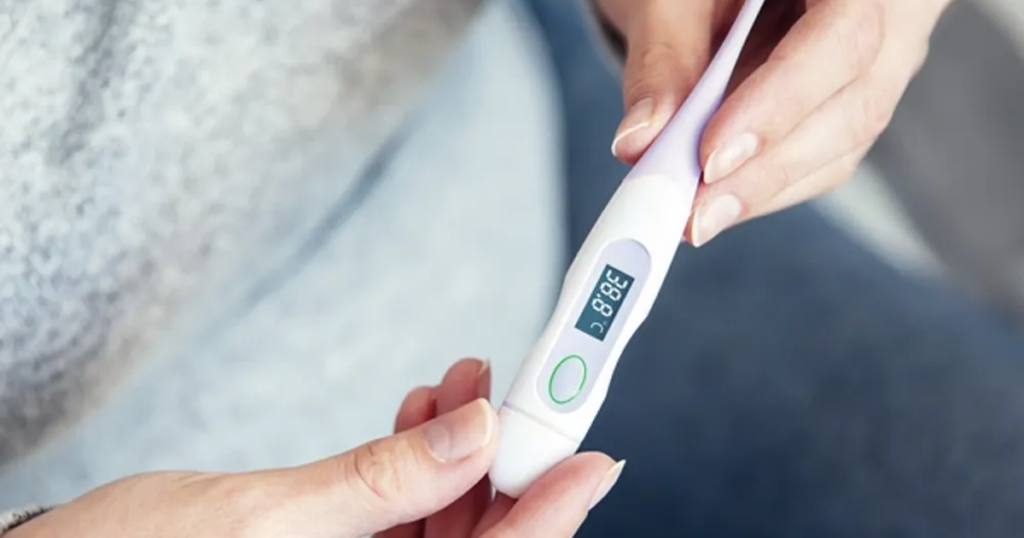
Fever is a common sign that the body is fighting an infection. When your temperature rises, and symptoms like chills, body aches, fatigue, and sweating appear, many people begin to wonder: how long does a fever last? The duration can vary depending on the cause, such as viral infections, bacterial illnesses, inflammatory conditions, or other underlying health issues.
In many cases, a mild fever improves within a few days as the immune system works to eliminate the infection. However, persistent or high fevers, especially when accompanied by severe headache, vomiting, confusion, dehydration, or difficulty breathing, can indicate a more serious medical concern. Recognizing these warning signs early can help you determine when supportive care at home is enough and when it is important to seek prompt medical evaluation at our Sugar Land ER.
What Is A Fever?
A fever, medically called pyrexia, is a rise in the body’s core temperature above its normal range, typically over 38°C (100.4°F). It is not a disease itself but a protective response of the immune system, helping the body fight infections like viruses or bacteria. Fever triggers chemicals called pyrogens, which signal the brain’s hypothalamus to raise the body’s set-point temperature. This enhances immune activity and slows the growth of certain pathogens.
Research shows fever often comes with multiple symptoms. In a PubMed study, fatigue occurred in 50.3% of people with fever, headache in 47%, and chills in 44.6%, illustrating how fever affects the entire body.
Fever Symptoms You Should Not Ignore
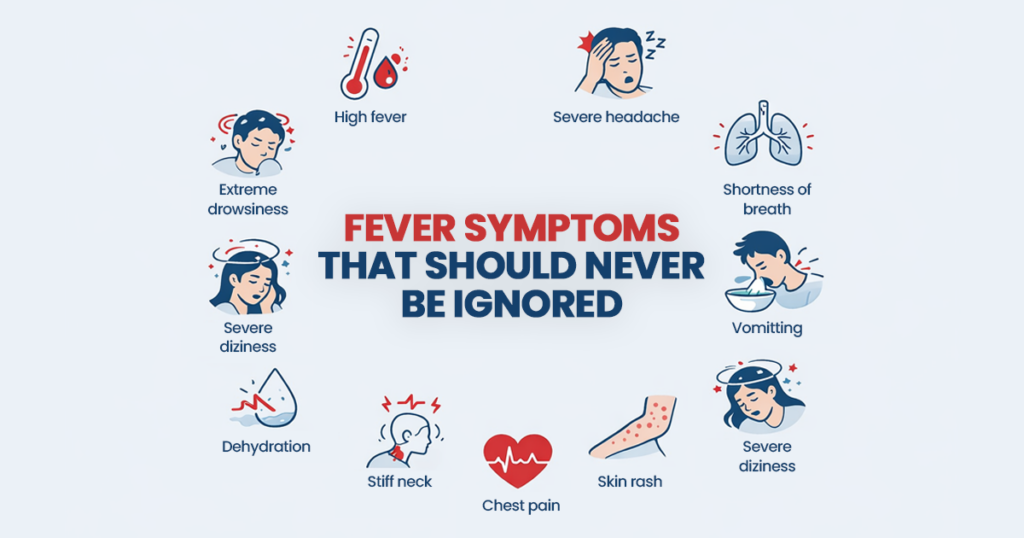
Certain Fever Symptoms may signal serious infections or complications and require immediate attention. Mild fevers often improve with rest and hydration, but some signs should never be overlooked:
- High fever above 103°F (39.4°C) that does not improve with medication.
- Severe or persistent headache.
- Confusion, extreme drowsiness, or difficulty staying awake.
- Shortness of breath or difficulty breathing.
- Persistent vomiting or inability to keep fluids down.
- Severe dehydration, including very little urination or dizziness.
- Chest pain or pressure.
- Seizures or unusual muscle spasms.
- Stiff neck with sensitivity to light.
- Rapidly spreading rash or unusual skin changes.
If fever symptoms become severe or unusual, emergency evaluation may be necessary. Facilities like an ER near me can provide prompt medical care for high-risk fevers and related complications.
What Causes Fever?
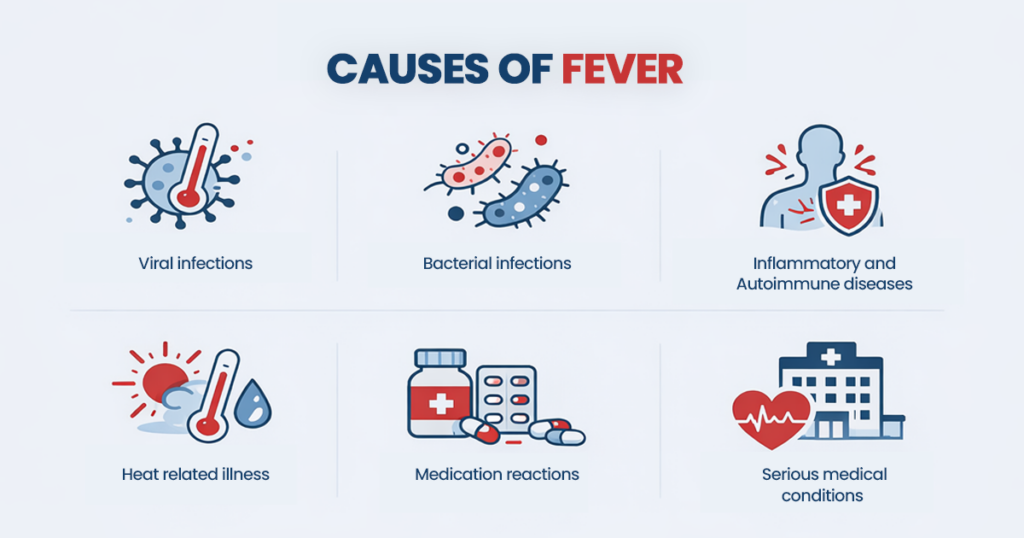
Fever occurs when the immune system detects a threat and raises body temperature to fight it. This natural response can make you feel uncomfortable with chills, fatigue, and body aches, but it indicates the immune system is actively working to restore health.
- Viral Infections: Illnesses like the flu, common cold, or respiratory viruses trigger fever as the immune system fights infection. Symptoms often include cough, sore throat, fatigue, and body aches.
- Bacterial Infections: Pneumonia, strep throat, urinary tract infections, and skin infections can cause higher or longer-lasting fevers, often requiring antibiotics.
- Inflammatory and Autoimmune Diseases: Conditions such as lupus or rheumatoid arthritis may trigger fever when the immune system attacks healthy tissues.
- Heat-Related Illnesses: Heat exhaustion or heatstroke can raise body temperature dangerously and require immediate cooling and hydration.
- Medication Reactions: Certain drugs, including antibiotics, vaccines, or blood pressure medications, can trigger fever as a side effect.
- Serious Medical Conditions: Persistent fever may indicate severe infections, meningitis, or certain cancers and needs urgent medical evaluation.
How Long Will A Fever Last
The duration of a fever varies depending on the cause and individual health. Mild viral fevers typically last 2–3 days and gradually resolve as the immune system clears the infection. Persistent or unusually high fevers, however, may indicate an underlying condition requiring medical attention.
- Flu and Common Cold: 2–5 days, often with fatigue, body aches, and congestion.
- Bacterial Infections: 7–10 days, usually requiring antibiotics.
- Inflammatory or Autoimmune Conditions: May be intermittent or prolonged, depending on disease activity.
- Heat-Related Illnesses: Usually subside within hours to a day once the body is cooled.
- Medication-Induced Fever: Persists as long as the medication continues; resolves once stopped.
- Serious Medical Conditions: May last longer and escalate quickly, requiring urgent care.
Why Do You Feel Cold When You Have a Fever?
Feeling cold during a fever happens because the hypothalamus raises the body’s set-point temperature. Your current body heat feels too low in comparison, triggering shivering and chills to generate warmth. Even though you feel cold, your internal temperature is rising to help the immune system fight infection.
How To Treat A Fever
Fever can be exhausting, but it is a natural defense mechanism. Treatment focuses on relieving discomfort and addressing the underlying cause. Monitoring symptoms is important, and medical advice should be sought for high or persistent fevers.
- Acetaminophen (Paracetamol): This medication can help reduce fever and relieve body aches. It is recommended by doctors for safe use in adults and children when taken according to dosage instructions.
- Ibuprofen: A nonsteroidal anti-inflammatory drug (NSAID) that helps lower fever and reduce inflammation and pain. Use only as recommended by a healthcare provider.
- Antibiotics: Prescribed only when a bacterial infection is identified as the cause of the fever. Doctors determine the appropriate antibiotic type and duration based on the infection.
- Antiviral Medications: For certain viral infections like influenza, doctors may prescribe antivirals to reduce the severity and duration of fever.
- Hospital Care: In cases of very high fever, persistent fever, or fever with severe symptoms (like dehydration, confusion, or difficulty breathing), medical supervision may be necessary to prevent complications and provide intravenous medications or fluids.
Home Remedies For A Fever
Managing a mild fever at home can help relieve discomfort and support your body’s recovery. These remedies are safe for most people, but persistent or high fevers still require medical evaluation.
- Stay Hydrated: Drink water, herbal teas, or broths to prevent dehydration.
- Rest: Allow your body to heal with adequate sleep and minimal activity.
- Cool Compress: Apply to forehead, neck, or wrists to reduce temperature.
- Light Clothing: Breathable clothes and lighter blankets help regulate body heat.
- Warm Baths (Not Cold): Lukewarm baths reduce fever gently without causing chills.
- Balanced Nutrition: Light, easy-to-digest foods provide energy and support immunity.
- Herbal Teas: Ginger, chamomile, or peppermint teas may ease discomfort.
When To Go To The ER For A Fever
While most fevers improve with home care, urgent medical attention is needed for serious symptoms. High or persistent fevers, especially when accompanied by severe symptoms, can signal serious infections or complications. Recognizing these red flags early can help prevent worsening illness and ensure timely treatment.
- Fever above 104°F (40°C) that does not respond to medication.
- Severe difficulty breathing.
- Confusion or fainting.
- Persistent vomiting.
- Severe dehydration, dizziness, or minimal urination.
- Seizures or unusual muscle spasms.
- Rapidly spreading or unusual rash.
St. Michael’s Elite Hospital – Expert Care for Fever and Infectious Conditions
Ever asked yourself, “How long does a fever usually last?” At St. Michael’s Elite Hospital, our experienced team helps answer that question while identifying the underlying cause, whether it’s viral, bacterial, or due to another medical condition. Timely evaluation ensures you get the right treatment and prevents complications from developing.
At St. Michael’s Elite Hospital, patients receive expert guidance on safe home care, medications, and monitoring for warning signs. We emphasize patient education, supportive care, and timely interventions so you can recover quickly while staying informed about your health. Our 24/7 team is ready to assist with any fever-related concerns.
Key Takeaways
- Fever is a natural immune response that helps fight infections.
- Mild viral fevers usually last 2–3 days, while bacterial or serious conditions may last longer.
- Symptoms often include chills, fatigue, body aches, headache, sweating, and dehydration.
- Persistent high fever, confusion, difficulty breathing, vomiting, or seizures require urgent attention.
- Treatments include home remedies, OTC medications, and doctor-prescribed therapies for underlying causes.
- Rest, hydration, and careful monitoring are key for safe recovery.
- Seek emergency care if symptoms are severe, persistent, or unusual.
FAQs
1. What Is A Low-Grade Fever?
A low-grade fever is a mild rise in body temperature, usually 100.4–102.2°F (38–38.9°C). It often occurs due to minor infections or inflammation and typically resolves on its own with rest, fluids, and mild medication. Persistent low-grade fever may require medical evaluation.
2. What Is A Fever Dream?
A fever dream is a vivid, often strange or unsettling dream that occurs during a high fever. Brain activity changes with elevated temperature, causing intense or bizarre dream imagery. While generally harmless, fever dreams indicate the body is actively fighting infection.
3. Does Teething Cause Fever?
Teething may cause mild fussiness and low-grade temperature changes, but it rarely causes a significant fever. Persistent or high fevers in infants are more likely due to infection and should be evaluated by a pediatrician.