

High blood pressure can silently increase your risk of heart attack, stroke, and other cardiovascular emergencies. Many people wonder: Does magnesium lower blood pressure, and can increasing magnesium intake help manage hypertension safely?
Magnesium is a vital mineral that helps regulate hundreds of body functions, including muscle contraction, nerve signaling, and blood vessel tone. Because healthy blood vessels depend on smooth muscle relaxation, magnesium plays a direct role in maintaining normal blood pressure. Understanding how magnesium for blood pressure works, and when magnesium supplements for blood pressure may help, can guide safe strategies for heart health. For urgent evaluation of high blood pressure or related symptoms, visit Sugar Land ER.
What Is Magnesium?
Magnesium is an essential mineral naturally found in foods like leafy greens, nuts, seeds, legumes, whole grains, and dark chocolate. It participates in over 300 enzymatic reactions, supporting energy production, muscle function, nerve signaling, and bone health.
Within the cardiovascular system, magnesium plays a key role in regulating electrolyte balance, particularly calcium and potassium, which are crucial for proper heart rhythm and blood vessel contraction. Adequate magnesium intake supports normal circulation, helps maintain healthy blood pressure, and reduces the risk of cardiovascular complications. If you experience concerning symptoms related to heart health, seek immediate care at an ER near me.
How Magnesium Affects Blood Pressure
Magnesium plays a vital role in maintaining cardiovascular health by influencing the function of muscles, nerves, and blood vessels. Adequate magnesium levels help keep blood pressure within a healthy range and may reduce the risk of complications associated with hypertension. Its effects are especially important for individuals with low magnesium intake or existing heart conditions. For professional evaluation and management of blood pressure concerns, visit St. Michael’s Elite Hospital.
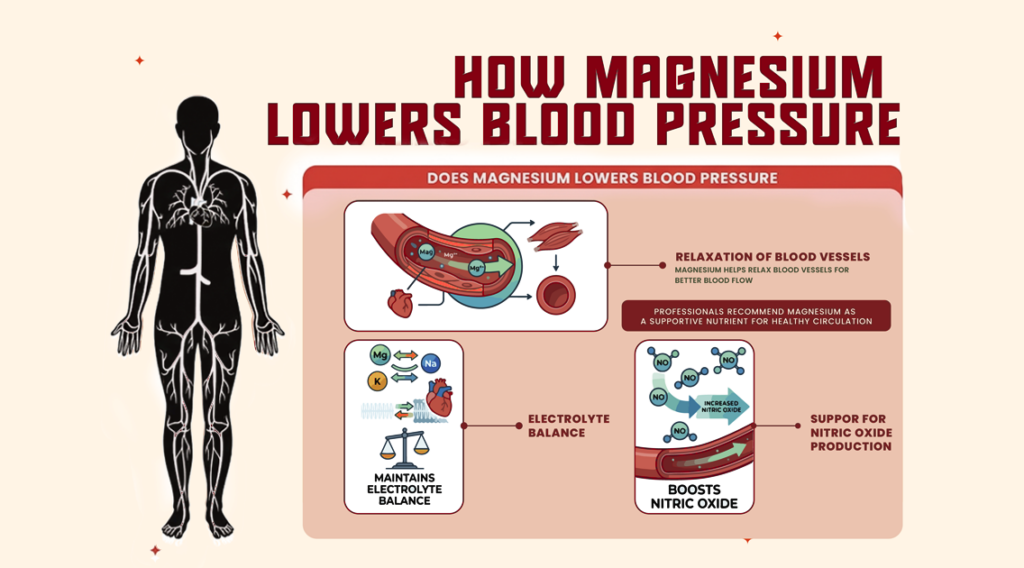
- Blood Vessel Relaxation: Magnesium relaxes smooth muscles in vessel walls, reducing resistance and lowering blood pressure.
- Electrolyte Balance: It regulates sodium and potassium levels, helping control fluid balance and circulation.
- Improved Circulation: Magnesium promotes nitric oxide production, which dilates blood vessels and enhances blood flow.
Because of these effects, magnesium for blood pressure can support cardiovascular function, particularly in individuals with low magnesium intake.
Can Magnesium Help With High Blood Pressure?
Research shows magnesium may modestly lower blood pressure, especially in people with hypertension or magnesium deficiency. Increasing magnesium intake through diet or supplements helps improve vascular function and circulation, supporting healthier blood pressure levels. Key points include:
- Small Reductions: Studies show modest decreases in both systolic and diastolic blood pressure.
- Magnesium Deficiency Matters: People with low magnesium levels benefit the most from supplementation or dietary intake.
- Supports Heart Health: Magnesium aids in blood vessel relaxation, electrolyte balance, and proper circulation.
- Not a Replacement for Medications: Magnesium works best alongside prescribed antihypertensives, lifestyle changes, and professional medical care.
- Safe Supplementation: Always consult a healthcare provider to avoid interactions or side effects such as diarrhea or low blood pressure.
Important: Magnesium for high blood pressure does not replace medications. It is best used alongside lifestyle changes and professional medical care.
High Blood Pressure Emergency: Warning Symptoms
While magnesium can support heart health, extremely high blood pressure may indicate a medical emergency. Recognizing these warning signs early is critical to preventing life-threatening complications. Immediate medical attention can help stabilize blood pressure, reduce strain on the heart, and minimize the risk of stroke or organ damage. Seek immediate care if you experience:
- Severe chest pain or pressure
- Shortness of breath
- Sudden severe headache
- Blurred vision or confusion
- Weakness, numbness, or tingling on one side of the body
- Persistent dizziness or fainting
These symptoms may signal a hypertensive crisis, stroke, or other cardiovascular emergencies requiring urgent evaluation.
Magnesium-Rich Foods That Support Healthy Blood Pressure
Incorporating magnesium-rich foods can naturally support blood pressure regulation. Eating a balanced diet with these foods not only provides magnesium but also supplies fiber, antioxidants, and heart-healthy nutrients that help maintain overall cardiovascular health. Consistent intake can complement lifestyle changes and support long-term blood pressure control.
- Leafy Greens: Spinach, kale, and Swiss chard
- Nuts & Seeds: Almonds, pumpkin seeds, sunflower seeds
- Whole Grains: Brown rice, oats, quinoa
- Legumes: Beans, lentils, chickpeas
- Dark Chocolate: High-cocoa content for antioxidants and magnesium
Regular inclusion of these foods can help maintain healthy magnesium levels.
Magnesium Supplements for Blood Pressure
When dietary intake is insufficient, magnesium supplements for blood pressure may be recommended. Common forms include:
- Magnesium citrate
- Magnesium glycinate
- Magnesium oxide
Citrate and glycinate are often better absorbed and tolerated than oxide. Supplements can help correct deficiencies and support healthy blood pressure, particularly in people with low magnesium levels. Always consult a healthcare provider before starting supplements, especially if you are on hypertension medications, as excessive intake can cause diarrhea, nausea, or dangerously low blood pressure. Proper dosing and monitoring ensure safety and maximize cardiovascular benefits.
What Kills High Blood Pressure Fast?
While magnesium and lifestyle changes can support normal blood pressure, acute spikes require immediate attention. Rapidly elevated blood pressure can damage vital organs such as the heart, brain, and kidneys, making timely intervention critical. Knowing the fastest and safest ways to lower blood pressure during a hypertensive crisis can prevent severe complications and improve recovery outcomes.
- Medical evaluation for prescription antihypertensives
- Immediate monitoring in an ER if symptoms are severe
- IV therapy for dangerously high readings under supervision
Magnesium alone cannot treat a hypertensive crisis; emergency care is essential for safety.
When to Seek Emergency Care for High Blood Pressure
While magnesium can support blood pressure, certain symptoms require immediate medical attention. Extremely high or rapidly rising blood pressure can strain the heart, brain, and kidneys, leading to life-threatening complications if not treated promptly. Understanding the warning signs and acting quickly can significantly improve outcomes and prevent permanent damage.
- Severe chest pain or pressure
- Sudden shortness of breath
- Intense headache or blurred vision
- Confusion, weakness, or numbness on one side of the body
- Persistent dizziness or fainting
These signs may indicate a hypertensive crisis, stroke, or other cardiovascular emergencies. Prompt evaluation at a hospital like St. Michael’s Elite Hospital can prevent serious complications.
Advanced Blood Pressure Emergency Care
Patients exploring whether magnesium lowers blood pressure often seek safe ways to manage hypertension naturally. However, sudden or severe symptoms demand prompt medical care. High or rapidly rising blood pressure can lead to serious complications, including heart attack, stroke, or kidney damage, making timely evaluation critical. At St. Michael’s Elite Hospital, our cardiovascular specialists provide:
- Comprehensive evaluation of high blood pressure
- Personalized treatment plans, including medications and lifestyle guidance
- 24/7 emergency care for hypertensive crises and related complications
Early intervention helps prevent strokes, heart attacks, and other life-threatening events.
Key Takeaways
- Magnesium supports blood vessel relaxation, electrolyte balance, and circulation.
- Magnesium-rich foods and supplements may help lower blood pressure modestly.
- Supplements should be taken under medical supervision; they do not replace medications.
- Severe or sudden blood pressure spikes require immediate emergency care.
- St. Michael’s Elite Hospital offers comprehensive evaluation and treatment for hypertension.
Frequently Asked Questions
Does magnesium lower blood pressure naturally?
Yes, magnesium helps relax blood vessels and improve circulation, which may lead to modest reductions in blood pressure. It works best as part of a healthy lifestyle. Effects may be more noticeable in people with low magnesium levels.
How much magnesium should I take for high blood pressure?
The recommended magnesium intake varies based on age, gender, and health condition, but most adults need 310–420 mg per day from food and supplements combined. Higher doses should only be taken under medical supervision. Excess magnesium can cause side effects like low blood pressure or digestive issues.
What is the best magnesium for high blood pressure?
Magnesium glycinate and magnesium citrate are commonly recommended for supporting healthy blood pressure. They are better absorbed and gentler on the stomach compared to other forms. Always consult a doctor before starting magnesium supplements for hypertension.