
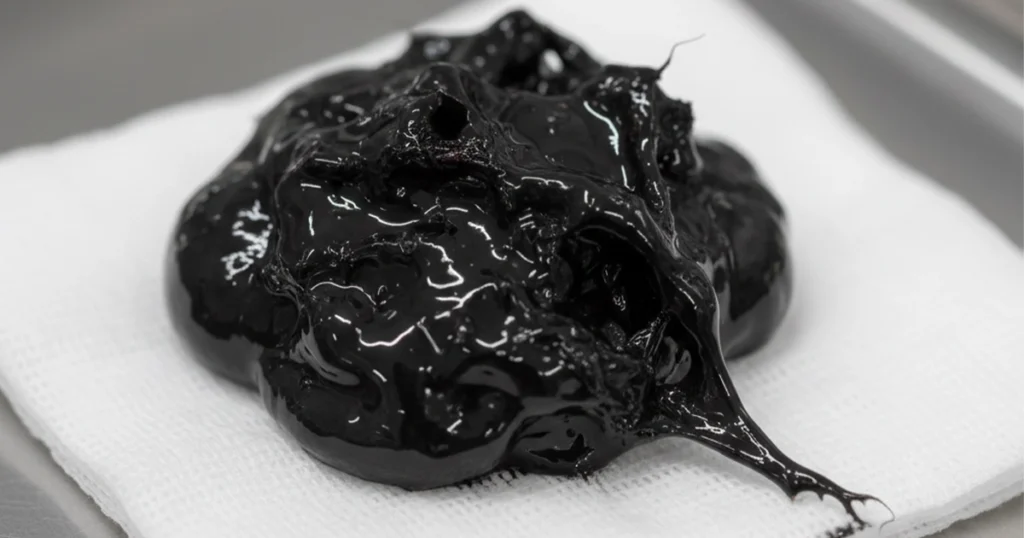
Have you ever wondered, “Why Is My Mucus Black?” Seeing black mucus or black snot can be alarming, especially when you notice sputum with black spots. Mucus normally protects your airways, but a sudden change in color may indicate environmental exposure, infection, or other health concerns.
Not all black mucus cases are emergencies, but if you are coughing up black specks in phlegm, experiencing constant clearing of the throat, or noticing black secretion, prompt evaluation is important. Our emergency room team can provide a thorough assessment and care for underlying causes.
What Is Black Mucus?
Black mucus is dark phlegm or sputum with black spots caused by trapped particles like smoke, dust, or pollution. It may also result from tissue damage, minor bleeding, or certain infections. Research shows that increased particulate matter exposure (e.g., from air pollution or smoke) is associated with higher black carbon content in airway macrophages, supporting the idea that inhaled particles can accumulate in the lungs and influence mucus appearance.
Symptoms Of Black Mucus
- Black or very dark phlegm when coughing or blowing your nose.
- Black specks in phlegm or tiny dark particles.
- Constant clearing of throat due to mucus buildup.
- Black secretion mixed with saliva or sputum.
- Coughing up sputum with black spots.
Reasons Why Your Mucus Is Black
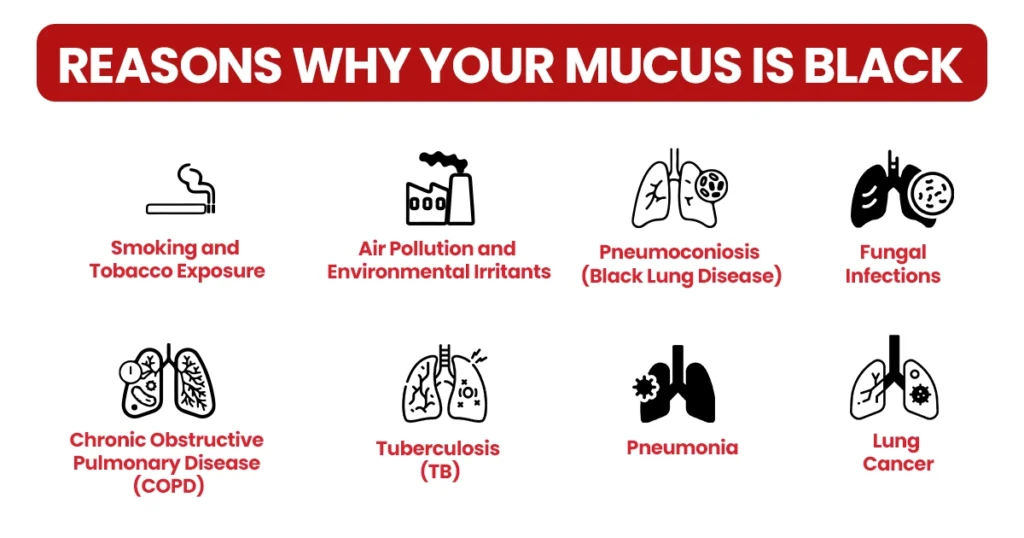
Black mucus forms when your airways trap irritants like smoke, dust, or pollution, or when tissue breakdown or minor bleeding occurs. The dark color shows your body is trying to expel particles or damaged cells. Infections, chronic lung conditions, or pollutants can also darken mucus. Identifying the cause helps determine if it’s temporary or needs medical care.
Smoking And Tobacco Exposure
Smoking cigarettes, hookah, or marijuana deposits tar and carbon in your lungs, darkening mucus. Chronic smokers may notice sputum with black spots and a persistent cough. Long-term exposure can damage lung tissue, making black mucus more frequent. Quitting smoking often improves mucus color over time.
Symptoms
- Morning cough with dark phlegm.
- Black specks in phlegm.
- Shortness of breath and wheezing.
Air Pollution And Environmental Irritants
Breathing polluted air, smoke, soot, or dust darkens mucus as airways trap particles. Residents in smog-heavy cities or near industrial zones are prone to black snot. Chronic exposure can cause throat irritation and coughing. Usually, the condition improves after avoiding polluted environments.
Symptoms
- Temporary black snot during exposure.
- Throat irritation and coughing.
- No fever unless infection develops.
Pneumoconiosis (Black Lung Disease)
Long-term inhalation of coal dust or industrial particles can cause lung tissue to accumulate carbon, producing black mucus. Workers in mining or heavy industry are at higher risk. Chronic cough and respiratory problems develop over time. Early detection prevents further lung damage.
Symptoms
- Chronic cough with dark phlegm.
- Shortness of breath and chest tightness.
- Fatigue and reduced exercise tolerance.
Fungal Infections
Fungi like Aspergillus niger can infect lungs, especially in immunocompromised people. Infection produces black specks in phlegm and thick mucus. Fungal particles mix with normal secretions, darkening them. Prompt antifungal treatment prevents complications.
Symptoms
- Fever and chills.
- Wheezing or difficulty breathing.
- Thick, dark phlegm, sometimes with blood.
Tuberculosis (TB)
TB damages lung tissue and blood vessels, creating dark or black-colored mucus. Infection symptoms often include fever and weight loss. Blood or tissue mixed into mucus produces visible dark streaks. Early treatment is crucial to prevent serious complications.
Symptoms
- Persistent cough for weeks.
- Night sweats and weight loss.
- Coughing up blood or dark sputum.
Pneumonia
Severe pneumonia can produce dark or black secretion from tissue inflammation, minor bleeding, or mucus trapping debris. The body uses mucus to clear infection, which may appear black. People with underlying conditions may see more pronounced discoloration. Early care reduces complications and aids recovery.
Symptoms
- Fever and chills.
- Chest pain while breathing.
- Thick discolored mucus.
Chronic Obstructive Pulmonary Disease (COPD)
COPD inflames airways and causes chronic mucus buildup. Repeated infections and trapped pollutants can darken phlegm, producing black specks in phlegm. Smoking or long-term pollution worsens this effect. Managing COPD helps reduce mucus discoloration and improves breathing.
Symptoms
- Long-term cough with dark phlegm.
- Shortness of breath and wheezing.
- Frequent respiratory infections.
Lung Cancer
Tumor bleeding or tissue necrosis can mix with mucus to produce dark or black mucus. Coughing up black specks in phlegm may be a warning sign. Persistent black mucus with other symptoms requires immediate evaluation. Early detection improves treatment outcomes.
Symptoms
- Unexplained weight loss.
- Persistent, worsening cough.
- Coughing up black mucus or blood.
When Black Mucus Is Dangerous
Short-term black mucus from smoke or dust may be harmless, but persistent dark phlegm can indicate serious lung disease or infection. Early evaluation is important to prevent complications. Signs to watch for:
- Persistent chest pain with coughing.
- Coughing up blood or large amounts of black mucus.
- Severe shortness of breath or wheezing.
- Fever, chills, or night sweats.
- Unexplained weight loss or fatigue.
Contact the St. Michael’s Elite Hospital if you notice these symptoms for proper evaluation and care.
Treatment For Black Mucus
Treating black mucus focuses on addressing the cause and supporting lung health. Reducing exposure to smoke or pollutants, staying hydrated, and using medications or remedies can help clear mucus. Persistent or worsening symptoms require professional care.
Over‑The‑Counter (OTC) Solutions:
- Expectorants (e.g., guaifenesin): Thin mucus and help clear sputum with black spots.
- Saline nasal sprays or rinses: Remove black specks in phlegm and reduce mucus in the throat.
- Humidifiers: Keep air moist to loosen thick mucus.
Prescription Medications:
- Antibiotics or antifungals: Treat confirmed infections.
- Inhalers or bronchodilators: Manage COPD or chronic bronchitis.
Procedures & Medical Interventions:
- Bronchoscopy: Examine airways and collect samples for diagnosis.
- Imaging (X-ray or CT scan): Detects pneumonia, TB, or tumors.
Home Remedies & Self‑Care:
- Drink warm fluids to soothe the throat and loosen mucus.
- Avoid smoking and polluted environments.
- Practice gentle coughing to clear mucus effectively.
St. Michael’s Elite Hospital – Expert Care for Black Mucus
If you’re asking yourself, “Why is my mucus black?”, St. Michael Elite Hospital is here to provide expert evaluation and guidance. Our specialists carefully assess respiratory symptoms, identify underlying causes, and create personalized treatment plans to manage dark or black mucus safely and effectively. Early intervention can prevent complications and support healthier lungs.
St. Michael’s Elite Hospital also delivers fast, professional care for urgent respiratory concerns. With advanced diagnostics, attentive medical staff, and tailored treatment strategies, patients receive timely support and practical guidance to maintain clear airways and reduce the recurrence of black mucus.