
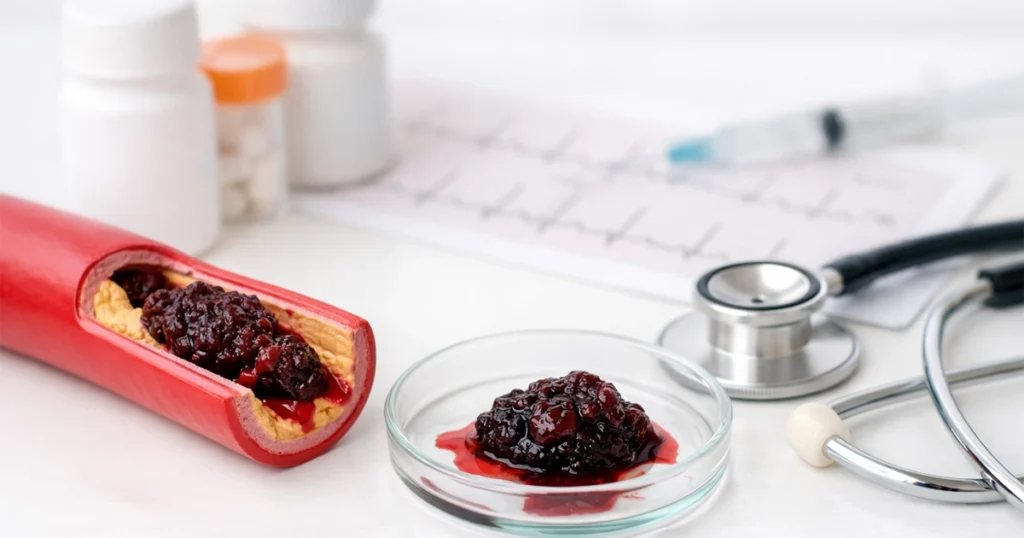
Blood clots are firm clumps of blood that form when the body tries to stop bleeding, but sometimes they can form inside blood vessels and block normal blood flow. Understanding “what is a blood clot” is vital because, while clotting is essential for healing cuts and injuries, clots inside veins or arteries without a clear cause can lead to serious medical emergencies, such as deep vein thrombosis or pulmonary embolism.
It can be difficult to know when a blood clot is harmful rather than helpful. Paying attention to symptoms and risk factors is crucial for your safety. Whether you are visiting a clinic or our Sugar Land emergency room, timely recognition and medical evaluation can prevent complications and improve outcomes.
What Does A Blood Clot Feel Like
A blood clot in a vein often produces localized sensations, which vary depending on the clot’s location. People with deep vein thrombosis (DVT) may feel aching, tightness, or a cramp-like pain, usually in the leg. Some clots create warmth or tenderness over the affected area, while others may feel like a persistent muscle strain.
While many DVTs resolve without complications, about 21.8% of patients may develop post-thrombotic syndrome within a year, causing long-term discomfort or swelling.
Blood Clot Symptoms
- Swelling in the affected area, especially in one leg or arm.
- Pain or tenderness that may worsen when standing or walking.
- Warmth or heat over the skin around the clot.
- Redness or discoloration of the skin near the clot.
- Sudden shortness of breath, chest pain, or rapid heartbeat if the clot travels to the lungs.
What Are Blood Clots Made Of
Blood clots are composed mainly of platelets, fibrin, and trapped blood cells. Platelets form the initial plug, while fibrin threads strengthen the clot, making it firm. Although this process prevents excessive bleeding after injury, clots forming inside blood vessels without injury can obstruct blood flow, depriving tissues of oxygen and nutrients.
How Do Blood Clots Form
Blood clots develop due to interactions between platelets and clotting proteins, often triggered by abnormal conditions in the body. Contributing factors:
- Slow or Stagnant Blood Flow: Reduced circulation, such as during prolonged sitting or bed rest, allows platelets to clump and form clots.
- Vessel Wall Damage: Injuries or inflammation to blood vessel linings can activate clotting mechanisms.
- Hypercoagulable Blood: Certain medical conditions and genetic traits increase the blood’s tendency to clot.
What Causes Blood Clots
A variety of health, lifestyle, and environmental factors can increase the likelihood of clot formation. While some causes are unavoidable, understanding them helps with prevention and early recognition. Contributing causes include :
- Immobility: Extended bed rest or long travel periods slow circulation, promoting clot formation.
- Surgery or Injury: Tissue and vessel damage from surgery or trauma triggers clotting responses.
- Hormones and Medications: Hormone therapies, including birth control pills, can increase clot risk.
- Medical Conditions: Conditions like cancer, heart failure, obesity, or genetic clotting disorders increase susceptibility.
Diagnosis For Blood Clots
Diagnosing a blood clot typically involves a combination of clinical evaluation and targeted testing. Tests help confirm the presence of a clot, assess its size and location, and guide urgent treatment decisions.
- D-Dimer Blood Test: Detects fibrin breakdown products, which rise when clots form.
- Ultrasound Imaging: Visualizes blood flow and identifies clots in deep veins.
- Magnetic Resonance Imaging (MRI): Provides detailed images of veins and surrounding tissue when ultrasound results are inconclusive.
Do Blood Clots Go Away
Some blood clots can dissolve naturally over time as the body’s fibrinolytic system breaks them down. However, larger or dangerous clots often require medical intervention because they can grow, block major vessels, or travel to vital organs such as the lungs. Prompt treatment with anticoagulants reduces risks and supports safe clot resolution.
Do Blood Clots Hurt
Blood clots may or may not be painful. Pain often depends on clot size and location. It can range from mild discomfort to sharp, throbbing sensations and is often accompanied by swelling or warmth. Signs that a clot may be causing pain:
- Aching or cramping in the affected limb.
- Tenderness when pressing the area.
- Persistent pain that does not improve with rest.
- Pain worsening with activity or weight-bearing.
Contact Sugar Land Hospital immediately if you notice sudden, severe pain with redness or swelling, as this could indicate a dangerous clot.
How To Prevent Blood Clots
Preventing blood clots involves addressing risk factors and maintaining healthy circulation through lifestyle and medical strategies. These measures are especially important for people with known risk factors such as recent surgery or a history of clots.
- Stay Active: Regular movement and muscle activity help keep blood flowing.
- Manage Weight And Health: Control risk factors like high blood pressure and high cholesterol.
- Know Your Medications: Discuss clotting risks with your doctor before starting hormone therapies.
- Follow Medical Advice After Surgery Or Illness: Early mobilization and prophylactic measures reduce clot risk.
Treatments
- Stay Active: Regular movement keeps blood flowing and prevents stagnation.
- Manage Weight and Health: Control risk factors such as high blood pressure and cholesterol.
- Monitor Medications: Consult your doctor before starting hormone therapies or medications that may affect clotting.
- Follow Medical Advice: Post-surgery or illness, follow instructions for early mobilization and prophylactic measures.
- Blood Thinners (Anticoagulants): Most doctors recommend warfarin, heparin, or direct oral anticoagulants (DOACs) to prevent clot growth and formation. These require medical supervision.
- Thrombolytic Therapy: In severe cases, clot-dissolving medications are administered in hospitals to rapidly break down dangerous clots.
- Compression Stockings: These socks improve leg circulation and reduce swelling after a clot.
- Catheter-Directed Removal: A thin tube delivers treatment directly to the clot to remove it.
- Surgical Thrombectomy: Surgeons remove clots when necessary to restore blood flow.
- Lifestyle Remedies: Hydration, regular exercise, and avoiding prolonged immobility support medical treatment.
St. Michael’s Elite Hospital – Care for Blood Clot Concerns
If you are experiencing symptoms like swelling, pain, or redness that may indicate a blood clot, timely evaluation is crucial. Understanding “what is a blood clot” helps you recognize potential warning signs and seek care before complications arise. Early assessment ensures accurate diagnosis, effective treatment, and peace of mind.
At St. Michael’s Elite Hospital in Sugar Land, our experienced medical team provides comprehensive evaluations, evidence-based testing, and personalized treatment plans for patients concerned about blood clots. We focus on patient education, supportive care, and ongoing monitoring to help you manage your health safely and prevent serious complications.