
If you or someone close to you has suddenly started struggling with breathing, chest discomfort, or unexplained fatigue, it can feel alarming and hard to understand. Many people initially think it is stress, acidity, or a minor respiratory issue and try to wait it out. However, symptoms involving the lungs should never be ignored, especially when they appear suddenly and worsen over time.
A blood clot in the lungs is a serious, life-threatening condition that can occur without warning. It can block blood flow, lower oxygen levels, and strain the heart. Because it can worsen quickly, urgent medical care is critical to avoid severe complications or collapse. At our Sugar Land Hospital, prompt evaluation and treatment are available when every second matters.
What Is a Blood Clot in Lungs?
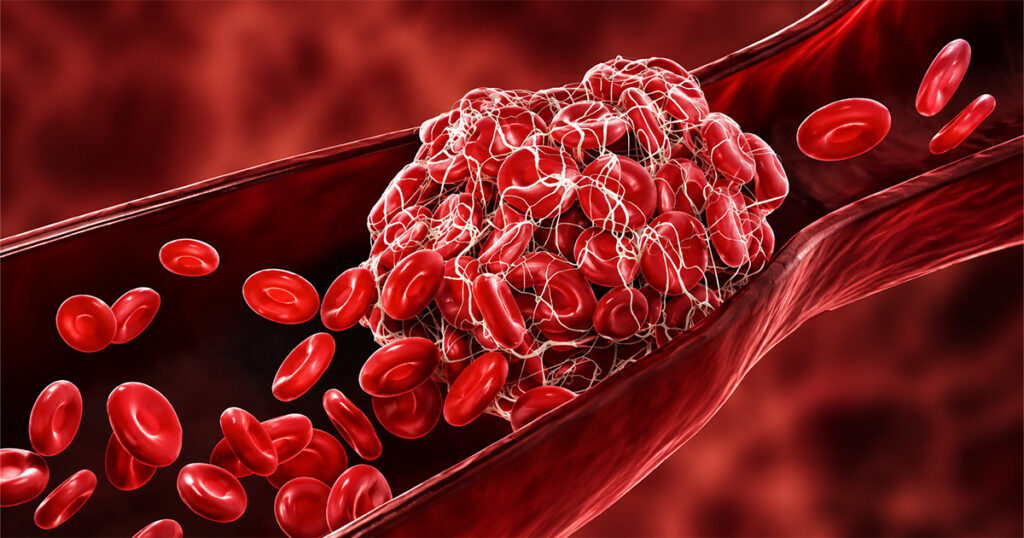
A blood clot in the lungs known as pulmonary embolism occurs when a clot usually formed in the deep veins of the legs travels to the lungs and blocks blood flow. This reduces oxygen supply and can quickly strain the heart making it a medical emergency that needs immediate treatment.
According to the NIH National Library of Medicine NCBI Bookshelf, pulmonary embolism has a case fatality rate of about 1% to 10%, depending on severity and how quickly treatment begins. Early diagnosis and urgent care significantly improve survival outcomes.
Symptoms of Dangerous Blood Clots in Lungs
- Sudden shortness of breath.
- Sharp or stabbing chest pain that may worsen with breathing.
- Rapid heartbeat or palpitations.
- Coughing, sometimes with blood.
- Dizziness, fainting, or feeling lightheaded.
If you experience any of these symptoms, seek immediate medical attention, as blood clot in lung treatment is most effective when started early and can significantly reduce the risk of life-threatening complications.
Causes of Blood Clots in the Lungs
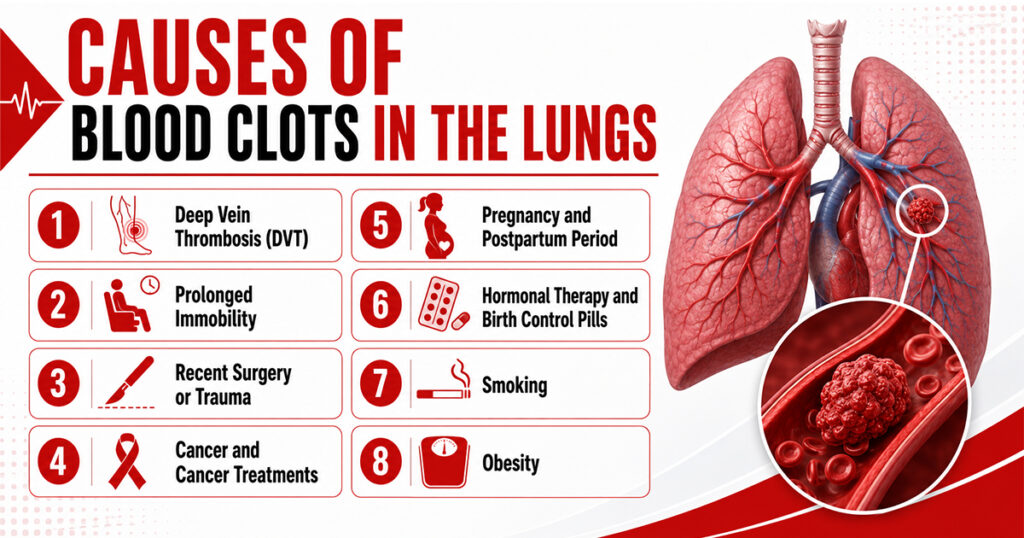
Blood clots in the lungs are most often linked to underlying conditions or situations that affect normal blood flow and clotting. These factors can increase the tendency of blood to form clots in different parts of the body, which may later travel to the lungs. Many of these risks develop silently and may not show clear symptoms until a serious event occurs.
1. Deep Vein Thrombosis (DVT)
Deep vein thrombosis is one of the leading conditions associated with lung blood clots. It develops when clots form in the deep veins of the legs or pelvis. These clots can dislodge and move through the bloodstream to the lungs. This makes it a major underlying risk factor.
According to NIH-supported research, nearly 90% of blood clots in the lungs originate from deep vein thrombosis (DVT), most commonly formed in the legs or pelvis.
2. Prolonged Immobility
Long periods of immobility can slow down normal blood circulation in the body. This is common during long-distance travel, extended bed rest, or hospitalization. Reduced movement allows blood to pool in the veins, increasing clot formation risk. These clots may later migrate to the lungs.
3. Recent Surgery or Trauma
Recent major surgery or physical injury can disrupt normal blood flow and vessel integrity. The healing process can increase clotting activity in the body. Limited mobility after surgery further raises the risk. These conditions together can contribute to clot development.
4. Cancer and Cancer Treatments
Certain cancers can increase the body’s tendency to form clots. Tumors may affect normal clotting mechanisms in the bloodstream. Treatments such as chemotherapy can also influence clot risk. This combination places patients at higher risk of complications.
5. Pregnancy and Postpartum Period
Pregnancy creates natural changes in blood circulation and clotting factors. Pressure on pelvic veins can slow blood flow in the lower body. The risk remains elevated during the postpartum period as well. These changes can increase the likelihood of clot formation.
6. Hormonal Therapy and Birth Control Pills
Some hormonal medications can increase clotting tendency in the blood. Estrogen-based therapies are commonly associated with this risk. The likelihood may rise further when combined with other risk factors. This makes careful medical supervision important.
7. Smoking
Smoking affects blood vessel health and normal circulation. It can increase platelet activity, making blood more prone to clotting. Over time, this raises the risk of vascular complications. Smokers are therefore at higher risk of developing clots.
8. Obesity
Excess body weight can slow blood flow, especially in the lower limbs. It also contributes to inflammation that affects clotting balance. These changes increase the likelihood of clot formation. Obesity is considered a significant risk factor for vascular clots.
Blood Clots in Lungs Recovery Time
Recovery time varies based on severity and treatment response. Many patients improve within days, but full recovery may take weeks to months. Some symptoms like fatigue can persist longer, so follow-up care is important.
- Mild Cases: 2 to 4 weeks.
- Moderate Cases: 1 to 3 months.
- Severe Cases: 3 to 6+ months.
- Blood Thinners: 3 to 12 months.
When to Go to the ER
A blood clot in the lungs can become life-threatening very quickly, so recognizing warning signs early is critical. If symptoms appear suddenly or worsen, it should not be managed at home. Immediate medical evaluation is necessary to prevent serious complications and improve survival chances.
- Sudden or severe shortness of breath.
- Chest pain that worsens with breathing.
- Coughing up blood.
- Fainting, dizziness, or collapse.
- Rapid heartbeat with unexplained weakness.
In such cases, visiting a Hospital near me immediately is essential for urgent evaluation and treatment.
How to Treat a Blood Clot in Lungs
Blood clot in lung treatment depends on how severe the condition is and how quickly it is diagnosed. The main goal is to restore normal blood flow, improve oxygen levels, and prevent the clot from growing or recurring. Because this condition can become life-threatening, medical supervision is always necessary.
Anticoagulant Medications
Anticoagulant medications are commonly used to prevent new clots from forming and stop existing ones from getting bigger. These medicines help the body gradually break down the clot over time. They do not dissolve clots instantly but reduce the risk of further blockage. This approach is carefully monitored throughout treatment recommended by the doctor.
Thrombolytic Therapy
Thrombolytic therapy is used in severe or life-threatening cases to rapidly dissolve the clot. It works faster than standard blood thinners and is usually given in emergency settings. Because it carries a higher risk of bleeding, it is only used in carefully selected patients. This treatment is always administered under strict medical supervision recommended by the doctor.
Oxygen Therapy
Oxygen therapy is given to improve breathing and increase oxygen levels in the blood. It helps reduce strain on the heart and supports the body during recovery. This is often used when oxygen levels drop due to the clot. The treatment is adjusted based on the patient’s condition recommended by the doctor.
Surgical Embolectomy
Surgical embolectomy may be required in rare and severe cases where other treatments are not effective. It involves physically removing the clot from the pulmonary artery. This procedure is typically reserved for life-threatening situations. It is performed in specialized hospitals under expert care recommended by the doctor.
Inferior Vena Cava (IVC) Filter
An IVC filter may be placed in the large vein of the abdomen to prevent clots from reaching the lungs. It is usually recommended for patients who cannot take blood thinners. The device helps reduce the risk of future pulmonary embolism. This procedure is done only when medically necessary and recommended by the doctor.
Get Expert Care for Blood Clots in the Lungs
St. Michael’s Elite Hospital provides prompt emergency care for blood clots in the lungs. Understanding their causes helps with early detection and timely treatment. These clots can develop due to several risk factors and may lead to serious complications if not treated quickly. In urgent cases, check ER wait times near me and seek immediate care, often with wait times under 10 minutes.
St. Michael’s Elite Hospital provides prompt evaluation and expert care if you experience symptoms such as sudden shortness of breath, chest pain, dizziness, or coughing up blood. Early diagnosis and treatment can reduce risks and improve recovery. Visit a trusted hospital for urgent care without delay.
Key Takeaway
- Blood clots in the lungs, also known as pulmonary embolism, are a medical emergency that can become life-threatening if not treated promptly.
- They usually form when a clot travels from the deep veins of the legs to the lungs and blocks blood flow.
- Early warning signs such as shortness of breath, chest pain, or coughing blood should never be ignored.
- Risk factors include immobility, recent surgery, cancer, smoking, and hormonal medications.
- Immediate diagnosis and treatment are essential to stabilize the condition and prevent serious complications.
Frequently Asked Questions
Can Blood Clots In The Lungs Go Away On Their Own?
No, most cases need urgent medical treatment to prevent serious complications. Without care, the condition can become life-threatening. Treatment helps control clot growth and supports recovery.
How Dangerous Are Blood Clots in the Lungs?
They are very dangerous, as they can block oxygen supply and strain the heart. Severe cases may lead to collapse or organ failure. Immediate treatment is essential.
What Does a Blood Clot in the Lungs Feel Like?
It may feel like sudden shortness of breath, sharp chest pain, or rapid heartbeat. Some people also feel dizzy or anxious. Symptoms often appear suddenly.
What Are The First Signs Of A Lung Blood Clot?
Early signs include shortness of breath, chest pain, fast heartbeat, coughing blood, and lightheadedness. These symptoms should not be ignored. Immediate checkup is important.
Can You Survive a Blood Clot in the Lungs?
Yes, survival is possible with quick diagnosis and treatment. Early care improves outcomes significantly. Delays increase the risk of complications.