
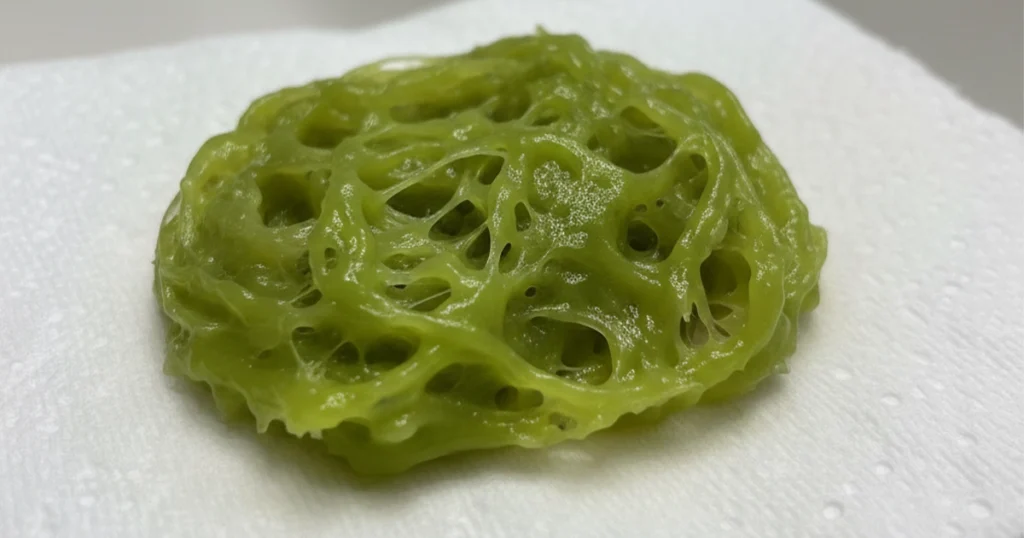
Green mucus doesn’t always mean infection. When your body produces green and yellow snot or dark green phlegm, it often reflects your immune system in action rather than a serious illness. The color usually comes from white blood cells fighting off irritants, viruses, or bacteria, rather than the presence of a serious bacterial infection.
Many people notice greenish thick phlegm or persistent coughing and worry that it signals something dangerous. While color can give clues, it’s not definitive; persistent or severe symptoms may require evaluation at our emergency room to ensure proper care.
What Does Green Mucus Mean?
Green mucus often appears when your immune system sends white blood cells (neutrophils) to fight irritants, viruses, or bacteria. These cells contain an enzyme called myeloperoxidase, which has a greenish tint and can change the color of mucus to green as it breaks down. This response usually reflects inflammation and immune activity, not necessarily a bacterial infection requiring antibiotics. Color alone cannot confirm the cause of your symptoms; clinical context and symptom duration matter most.
A study comparing sputum color with confirmed bacterial infection found that while greenish or yellowish mucus was present in many respiratory samples, only about 12% of those cases showed a proven bacterial infection on culture, showing that green mucus doesn’t always equal bacterial illness.
Symptoms Of Green Mucus
- Thick greenish phlegm from the nose or throat.
- Coughing with greenish phlegm that may collect in the chest.
- Nasal congestion with green snot production.
- Green and yellow snot mixed with clear discharge.
- Sore throat or sinus pressure with green discharge.
Does Green Mucus Mean You Have An Infection?
No, not always. Green mucus, green snot, or dark green mucus often shows your immune system at work, not necessarily an infection. Both viral and bacterial infections, as well as allergies or irritants, can cause green in mucus. The duration and severity of symptoms are more important than color alone. Healthcare providers assess the overall picture, including fever, pain, and symptom progression, before deciding if treatment like antibiotics is needed.
Other Causes Of Green Mucus
Green mucus doesn’t always mean a bacterial infection. Many conditions can trigger increased mucus production or an immune response. Greenish thick phlegm may result from inflammation, allergies, or environmental irritants. Understanding other causes can help you decide whether to monitor at home or seek medical help.
- Viral Upper Respiratory Infection: Many colds start with clear mucus that thickens and turns yellow or green as your immune system responds. Symptoms usually improve within 7–10 days without antibiotics.
Also Read: Respiratory Infections
- Allergic Rhinitis: Exposure to allergens can cause inflammation and increased mucus, sometimes leading to green snot even without infection.
- Environmental Irritants: Smoke, pollution, and chemical fumes can irritate mucous membranes, increasing mucus production that may appear as dark green mucus.
- Post-nasal Drip: Mucus dripping down the throat can thicken and change color as it mixes with immune cells and allergens.
When Green Mucus Is An Emergency?
Green mucus becomes more concerning when it’s paired with severe or persistent symptoms. In these situations, waiting to see if it resolves may be unsafe. If you notice any of the following along with green discharge or coughing up green phlegm, seek urgent care promptly:
- High fever (above 101.5°F) with chills or sweating.
- Severe chest pain, difficulty breathing, or shortness of breath.
- Confusion, fainting, or altered mental state.
- Rapid heart rate or bluish lips/face.
- Symptoms are worsening after initial improvement.
If your symptoms align with these signs, contact the St. Michael’s Elite Hospital or your nearest emergency care provider immediately for evaluation and treatment.
How To Get Rid Of Green Mucus
Getting rid of green mucus often means addressing the underlying cause, whether infection, inflammation, or irritation, and supporting your body’s natural clearing mechanisms. Staying well hydrated, using steam inhalation, and managing allergies can reduce green snot and coughing up green phlegm. Proper rest and supportive care often help resolve symptoms faster.
1. Hydration And Rest
Drinking fluids and resting helps thin greenish thick phlegm and supports your immune system’s efforts. Adequate hydration improves mucus flow and can lessen congestion. Resting also allows your body to focus energy on fighting infection and reducing inflammation in the respiratory tract.
2. Saline Nasal Irrigation
Rinsing your nasal passages with a saline solution can clear excess mucus and irritants, reducing inflammation and helping move mucus that is green out of your sinuses. It can also relieve nasal congestion, soothe irritated tissues, and improve breathing comfort.
3. Humidification
Using a clean humidifier adds moisture to the air, which can loosen dark green mucus and make breathing easier, especially in dry environments. Humidified air can also prevent further irritation of the nasal passages and help thin thick phlegm more effectively.
4. Allergy Management
If allergies are causing green discharge, antihistamines or avoidance of triggers can reduce inflammation and mucus production. Consult a provider for appropriate options. Managing allergies can prevent recurrent mucus buildup and reduce the risk of secondary infections.
5. Medical Treatment When Needed
If a bacterial infection is suspected based on symptom duration or severity, a healthcare provider may prescribe antibiotics or other therapies. Follow medical advice and only use antibiotics when clearly indicated. Early medical intervention can prevent complications and help clear persistent infections faster.
St. Michael’s Elite Hospital – Care for Green Mucus
If you’re concerned about green mucus or wondering, “Does green mucus mean infection?”, St. Michael’s Elite Hospital is here to provide expert guidance. Our team of specialists evaluates your symptoms, identifies possible causes, and recommends the most appropriate care to ensure safe and effective relief. Early assessment can prevent complications and support faster recovery.
St. Michael’s Elite Hospital also offers prompt care for persistent or severe mucus symptoms. With advanced diagnostics, attentive medical staff, and personalized treatment plans, patients receive timely guidance and practical strategies to manage green mucus, respiratory discomfort, and related conditions with confidence.