
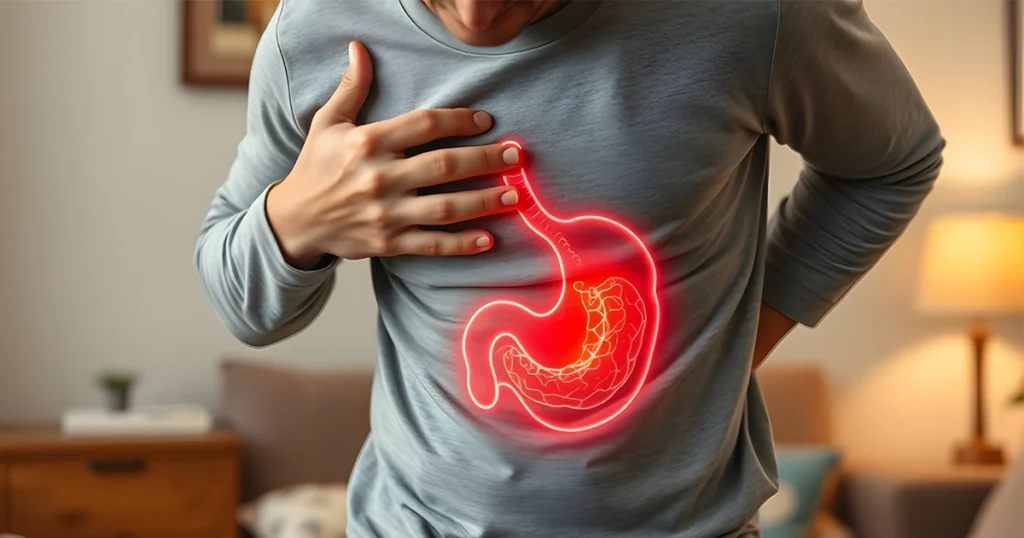
Yes, GERD can cause nausea, but not everyone experiences it the same way, and symptoms can range from mild queasiness to persistent discomfort. Understanding this connection is important for managing digestive health and preventing nausea from interfering with daily life.
Digestive disorders affect more than the stomach; they can disrupt appetite, sleep, and energy levels. Healthcare providers such as our Sugar Land ER often see patients experiencing nausea linked to acid reflux, even when classic symptoms like heartburn are mild or absent. This article explains what nausea is, how it relates to GERD, and ways to manage it safely and effectively.
What Is Nausea
Nausea is the uncomfortable, queasy feeling in the upper stomach that often signals the urge to vomit. It is a symptom, not a disease, and can result from digestive irritation, infections, medications, or disorders like GERD. Research shows that approximately 38% of people with GERD experience dyspeptic symptoms, including nausea.
Nausea Symptoms
- Feeling queasy or unsettled in the upper stomach area.
- Urge to vomit without actual vomiting.
- Sweaty or light-headed sensation accompanying stomach discomfort.
- Loss of appetite when nausea is persistent.
- Feeling full quickly after eating even small amounts.
Also Read: What Causes Nausea?
Is Nausea A Symptom Of GERD
Yes, nausea can be a symptom of GERD. While heartburn and acid regurgitation are the most recognized signs, many individuals report nausea as part of their symptom profile. Acid reflux irritates the esophagus and stimulates nerves that trigger the nausea reflex. Studies indicate a significant portion of GERD patients experience dyspeptic symptoms such as nausea.
Does GERD Cause Nausea
Yes, gastroesophageal reflux disease does cause nausea, especially when acid reflux occurs frequently or severely. Repeated exposure of the esophagus to stomach acid can irritate the digestive tract and activate nerves that trigger queasiness. This often happens after meals, when lying down, or if stomach emptying is delayed. Understanding this connection helps manage and prevent nausea more effectively.
Why Does GERD Cause Nausea
Although the exact mechanism isn’t fully understood, GERD can trigger nausea through irritation, nerve reflexes, and slower stomach emptying. Persistent acid reflux can increase stomach sensitivity over time, making even small reflux episodes feel uncomfortable.
- Acid Irritation To The Esophagus: Stomach acid contacting the esophageal lining causes inflammation, which stimulates nerve pathways that trigger nausea.
- Delayed Gastric Emptying: Food and acid lingering in the stomach for longer periods increase the likelihood of nausea sensations.
- Vagus Nerve Stimulation: Reflux can stimulate the vagus nerve, which plays a key role in nausea and vomiting reflexes.
- Heightened Esophageal Sensitivity: Individuals with GERD may develop increased sensitivity to acid, causing even mild reflux to trigger nausea.
Is Nausea Caused By GERD Dangerous
Nausea from GERD is usually not dangerous by itself but can contribute to dehydration, poor nutrition, and decreased quality of life if persistent. Severe or frequent nausea may also indicate uncontrolled GERD or complications. Watch for these signs:
- Vomiting that doesn’t stop or contains blood.
- Severe abdominal pain accompanying nausea.
- Inability to keep fluids down.
- Unintended weight loss or malnutrition.
If symptoms are severe or worsening, contact the Sugar Land Hospital for evaluation.
How To Stop GERD Nausea
Managing nausea from GERD involves reducing acid reflux and calming the digestive system. Lifestyle adjustments, dietary changes, and specific medical treatments can help lessen nausea frequency and severity, improving daily comfort and digestive health.
- Proton Pump Inhibitors (PPIs): Most doctors recommend medications like omeprazole or esomeprazole. These drugs reduce stomach acid production, helping to relieve reflux and associated nausea over time.
- H2 Blockers: Drugs such as ranitidine or famotidine decrease acid production and can help control mild to moderate reflux symptoms.
- Antacids: Over-the-counter antacids neutralize stomach acid quickly, providing fast relief from post-meal nausea.
- Prokinetic Agents: Medications like metoclopramide improve gastric emptying, helping food move through the stomach faster and reducing nausea in select cases.
- Surgical Procedures (e.g., Fundoplication): In severe or refractory cases, laparoscopic Nissen fundoplication can prevent reflux, significantly reducing nausea for many patients.
- Dietary Adjustments: Avoiding fatty, spicy, or acidic foods and eating smaller meals more frequently can reduce reflux episodes and associated nausea.
- Lifestyle Modifications: Elevating the head of the bed, avoiding lying down immediately after meals, and maintaining a healthy weight can decrease reflux frequency and ease nausea.
St. Michael’s Elite Hospital – Care for GERD-Related Nausea
If you are dealing with persistent or severe nausea, it’s important to identify the underlying cause to find relief. Can GERD cause nausea? Yes, it can, and timely evaluation can help determine whether acid reflux or another digestive condition is responsible. At St. Michael’s Elite Hospital, our team in Sugar Land provides comprehensive evaluations, accurate testing, and personalized care for patients struggling with nausea. We focus on evidence-based treatments, patient education, and supportive guidance to help you manage your symptoms safely and regain comfort in your daily life.