
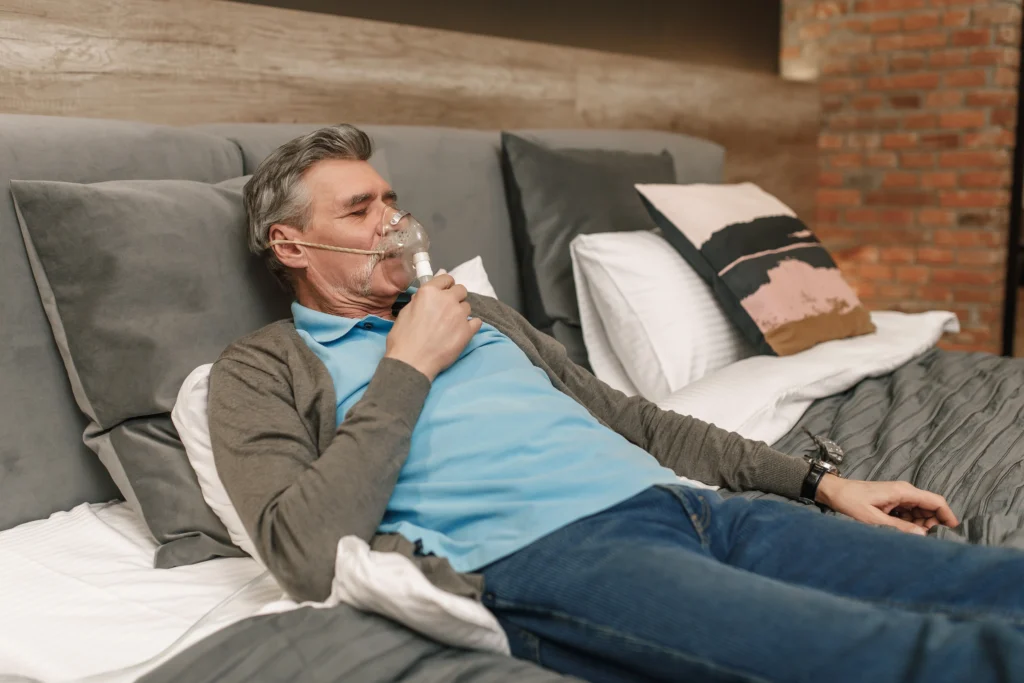
Have you noticed that walking to the mailbox or climbing a flight of stairs leaves you more out of breath than it used to? For millions of Americans, that slow change is one of the first signs of chronic obstructive pulmonary disease, or COPD. Because COPD develops gradually, many people do not realize how much their lungs have changed until symptoms start affecting daily life.
Doctors use the 4 stages of COPD to describe how much airflow is limited and to guide treatment. Understanding your stage can help you know what to expect and when to seek help. If you suddenly struggle to breathe and need a hospital near me, St. Michael’s Elite Hospital offers emergency and inpatient care 24/7.
What Is COPD?
COPD is a long-term lung disease that makes it hard to move air in and out of the lungs. It includes emphysema, which damages the air sacs, and chronic bronchitis, which inflames the airways and causes extra mucus. The most common cause is smoking, but long-term exposure to secondhand smoke, dust, chemical fumes, and air pollution can also lead to COPD. A rare genetic condition called alpha-1 antitrypsin deficiency can cause it too.
How Is COPD Staged?
COPD is staged with a breathing test called spirometry. You blow into a machine as hard and fast as you can, and it measures how much air you can force out in one second. This number is called FEV1. Doctors compare your FEV1 to what is expected for someone of your age, height, and sex. The Global Initiative for Chronic Obstructive Lung Disease, known as GOLD, uses this measurement to define the four stages.
Stage 1: Mild COPD
In stage 1, FEV1 is 80 percent or more of the expected value. Many people have no symptoms or only notice a mild cough that they blame on smoking, allergies, or getting older.
- Occasional cough: sometimes with mucus.
- Slight breathlessness: usually only with heavy activity.
- Few daily limitations: most people feel normal.
Stage 2: Moderate COPD
In stage 2, FEV1 falls between 50 and 79 percent. This is when most people are diagnosed because symptoms start to interfere with daily life.
- Shortness of breath: during walking or light exercise.
- Daily cough and mucus.
- Fatigue: especially after activity.
- More frequent chest colds: that take longer to clear.
Stage 3: Severe COPD
In stage 3, FEV1 is between 30 and 49 percent. Breathing problems become harder to manage, and flare-ups happen more often.
- Breathlessness with simple tasks: such as dressing or bathing.
- Frequent flare-ups: that may require hospital care.
- Swelling in the ankles or legs.
- Weight loss and low energy.
Stage 4: Very Severe COPD
In stage 4, FEV1 is below 30 percent, or below 50 percent with chronic low oxygen. Quality of life is greatly affected, and flare-ups can be life-threatening.
- Shortness of breath at rest.
- Need for oxygen therapy.
- Bluish lips or fingertips: from low oxygen.
- Heart strain: which can lead to right-sided heart failure.
Do COPD Stages Tell The Whole Story?
Not completely. Two people with the same FEV1 can have very different symptoms. Today, doctors also look at how breathless you feel, how many flare-ups you have had in the past year, and whether you have been hospitalized. This helps create a treatment plan that fits you, not just your test results.
COPD Treatment By Stage
- Quitting smoking: the most important step at every stage.
- Short-acting inhalers: to relieve symptoms quickly.
- Long-acting inhalers: to keep airways open every day, often added in stage 2.
- Inhaled steroids: for people with frequent flare-ups.
- Pulmonary rehabilitation: exercise and breathing training to improve strength and stamina.
- Oxygen therapy: for people with low oxygen levels.
- Surgery or lung transplant: for a small number of people with very severe disease.
- Vaccines: flu, COVID-19, pneumonia, and RSV shots to prevent infections.
When Is A COPD Flare-Up An Emergency?
A COPD flare-up, or exacerbation, happens when symptoms suddenly get worse. Flare-ups are often triggered by colds, the flu, or poor air quality, and they become more common in later stages. Call 911 or go to the ER right away if you have:
- Severe shortness of breath that does not improve with your rescue inhaler.
- Blue or gray lips or fingernails.
- Confusion, drowsiness, or trouble staying awake.
- Chest pain or a racing heartbeat.
- Trouble speaking in full sentences.
A visit to a sugar land emergency room gives you access to breathing treatments, oxygen, chest X-rays, and blood tests that measure oxygen and carbon dioxide levels.
Can You Slow COPD Progression?
There is no cure for COPD, but you can slow it down. Quitting smoking, staying active, taking medicines as prescribed, and avoiding lung irritants all help protect the lung function you have. Houston-area heat, humidity, and ozone alert days can make breathing harder, so check air quality before spending time outdoors.
St. Michael’s Elite Hospital – COPD Care
Whether you are newly diagnosed or living with advanced COPD, sudden breathing trouble should never be ignored. St. Michael’s Elite Hospital offers board-certified physicians, on-site imaging and lab testing, and inpatient care for patients who need closer monitoring.
Our hospital emergency room is open 24/7 for patients across Sugar Land and Fort Bend County. With compassionate, expert care, we aim to help you breathe easier and get back to the activities you enjoy.For life-threatening emergencies, call 911 right away.
Frequently Asked Questions
How Long Can You Live With COPD?
Life expectancy varies from person to person. It depends on the stage of the disease, your overall health, other conditions you have, and whether you smoke. Many people diagnosed early live for many years, and quitting smoking and following a treatment plan can make a big difference.
Can Stage 1 COPD Be Reversed?
No. Lung damage from COPD can’t be reversed. But Stage 1 (mild) COPD can often be kept stable. Quitting smoking is the most effective step, as it can greatly slow further lung decline. Medication, vaccinations and regular activity also help protect your lungs.
How Often Should Spirometry Be Repeated?
It depends on your doctor’s plan. Many people with COPD have spirometry about once a year, and it’s also repeated when symptoms change or worsen. Your doctor will tell you how often is right for you.