
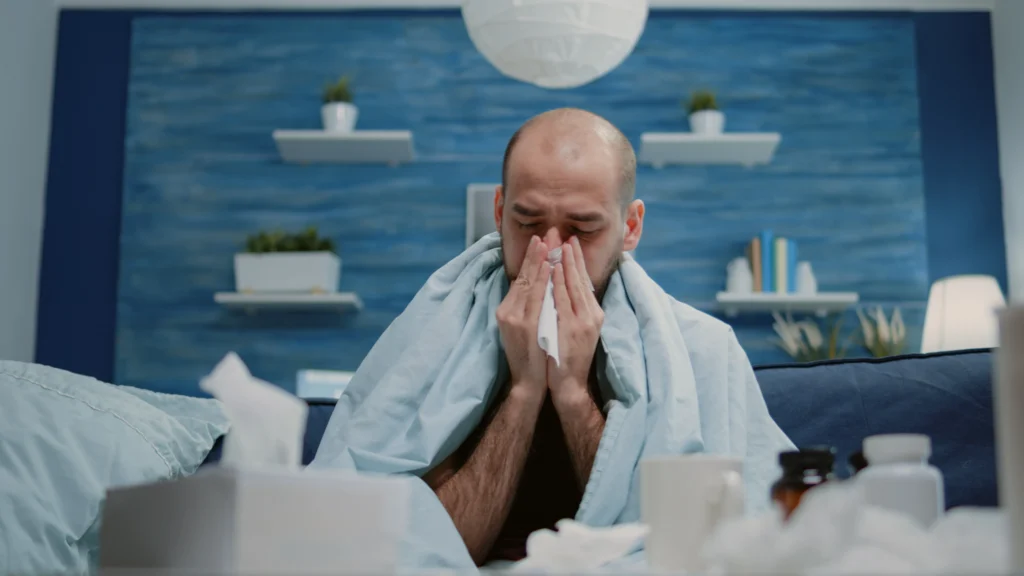
A common cold usually lasts about 7 to 10 days, although some symptoms can linger for longer. For most people, symptoms are strongest during the first few days before gradually improving as the immune system fights off the infection. A lingering cough, stuffy nose, or mild fatigue can sometimes continue even after the worst symptoms have passed.
Understanding how to get rid of a cold and knowing what is normal during recovery can help you manage symptoms and recognize when something more serious may be developing. While most colds can be treated at home with rest, fluids, and symptom relief, certain symptoms require prompt medical attention. If your cold symptoms become severe or you develop concerning symptoms, Sugar Land Hospital is available to provide prompt emergency evaluation and care.
What to Expect During a Typical Cold
For most healthy adults, a common cold improves within 7 to 10 days. Symptoms often appear gradually and may become more noticeable over the first several days before beginning to resolve. A typical cold timeline looks like this:
- Days 1-2: Early symptoms such as a scratchy throat, sneezing, or runny nose begin to appear
- Days 3-5: Symptoms often reach their peak, with congestion, coughing, and fatigue becoming more noticeable
- Days 5-7: Symptoms generally begin to improve
- Days 7-10: Most people experience significant recovery
- After 10 days: A mild cough, congestion, or tiredness may occasionally remain
The exact duration varies depending on the virus involved, your immune response, age, and overall health.
Stages of a Cold
A cold typically develops in several stages, with symptoms often starting gradually before reaching their peak and then improving. Most people notice the strongest symptoms around days 3 to 5, followed by gradual recovery. However, the timing and severity can vary depending on the person and the virus causing the infection.
Early Cold Symptoms (Days 1-2)
The first signs of a cold may be subtle. You might notice a scratchy throat, frequent sneezing, a runny nose, or a general feeling of being unwell. Some people also develop mild fatigue or a headache during this early stage. Symptoms can become more noticeable over the next couple of days.
Peak Cold Symptoms (Days 3-5)
For many people, symptoms are most bothersome during the middle of the illness. Nasal congestion, coughing, sneezing, sore throat, and fatigue can make normal daily activities more difficult. You may also notice thicker nasal mucus as the infection progresses. This change does not necessarily mean that the infection has become bacterial.
Recovery From a Cold (Days 5-10)
As your immune system clears the infection, symptoms should gradually become less severe. Congestion and sore throat usually improve, while energy levels begin to return. A cough may be one of the last symptoms to disappear and can sometimes continue after other cold symptoms have resolved.
Common Symptoms of a Cold
Common cold symptoms can range from mild irritation to symptoms that temporarily interfere with sleep, work, and daily activities. Common cold symptoms can include:
- Runny or stuffy nose: Increased mucus and nasal swelling can make breathing through the nose difficult.
- Sneezing: Frequent sneezing is a common early symptom as the nasal passages respond to the infection.
- Sore or scratchy throat: Throat irritation may occur as the infection develops, along with other causes described in what causes a sore throat.
- Cough: A cough may develop as mucus and irritation affect the throat and airways.
- Mild headache: Congestion and pressure may contribute to mild head discomfort.
- Body aches: Some people experience mild muscle or body aches while their immune system responds to the infection.
- Feeling tired or generally unwell: Fatigue can occur as your body works to fight the virus.
- Watery eyes: Nasal congestion and irritation may cause the eyes to water.
- Low-grade fever: A mild fever can occur with some colds, particularly in children. Knowing how long a fever lasts can help you recognize when it may need further attention.
Cold symptoms can overlap with other respiratory illnesses, including flu and COVID-19. The severity and combination of symptoms can vary from one person to another.
Why Can a Cold Last Over 10 Days?
Although many colds improve within one to two weeks, recovery can take longer in some people. Several factors can influence how long symptoms last.
Age
Children can experience frequent or prolonged cold symptoms because they are exposed to many respiratory viruses while their immune systems develop. Older adults may also take longer to recover from infections.
Immune System
Your immune system plays a major role in clearing viral infections. People with weakened immune systems may experience more prolonged or severe symptoms.
The Virus Causing the Infection
A common cold is not caused by one single virus. More than 200 respiratory viruses can cause cold symptoms, with rhinoviruses among the most common causes. Different viruses can produce somewhat different symptom patterns and durations.
Other Health Conditions
Underlying health conditions can affect how your body responds to respiratory infections. People with chronic respiratory conditions may also experience more significant coughing, congestion, or breathing symptoms during an infection.
How Can You Recover From a Cold Faster?
There is no cure that immediately eliminates the common cold. However, supportive care can help relieve symptoms while your immune system clears the infection. Here are some ways to make recovery more comfortable:
- Get plenty of rest: Adequate sleep gives your body time to recover while your immune system responds to the infection.
- Stay hydrated: Drink plenty of water and other fluids to help prevent dehydration.
- Soothe a sore throat: Warm liquids, salt-water gargles, or throat lozenges may provide temporary relief.
- Relieve nasal congestion: Saline nasal sprays or humidified air can help make a stuffy nose more manageable.
- Eat nutritious foods: Choose balanced meals and foods that are easy to tolerate when you don’t feel well.
- Use medications appropriately: Certain over-the-counter medicines can help relieve symptoms such as pain, fever, coughing, and congestion.
Antibiotics do not treat the common cold because colds are caused by viruses rather than bacteria. If symptoms are severe or persistent, a healthcare professional can help determine whether another infection or complication may be involved.
How Long Are You Contagious With a Cold?
A cold can spread to other people through respiratory droplets and contaminated hands or surfaces. People are generally most contagious when symptoms are strongest, although the exact period can vary depending on the virus and individual circumstances. You can reduce the risk of spreading a cold by:
- Washing your hands frequently with soap and water
- Covering your mouth and nose when coughing or sneezing
- Avoiding close contact with others while you’re sick
- Avoiding sharing food, drinks, or personal items
- Cleaning frequently touched surfaces
- Staying home when you feel particularly unwell
Good hygiene is especially important around young children, older adults, and people with weakened immune systems.
Is It a Cold, Flu, or Something Else?
Cold symptoms can resemble several other respiratory illnesses, making it difficult to identify the cause based on symptoms alone. A cold usually develops gradually and tends to cause prominent nasal symptoms such as sneezing, congestion, and a runny nose. Influenza, on the other hand, often begins more suddenly and may cause fever, chills, body aches, and significant fatigue.
COVID-19 can also cause symptoms that resemble a cold or flu. If you are concerned about COVID-19, understanding how long you are contagious with COVID can help you make informed decisions about limiting contact with others. Testing may also be appropriate depending on your symptoms, exposure, and current public health guidance.
When Should You Go to the ER?
Most common colds do not require emergency treatment. However, symptoms that involve breathing, consciousness, or severe dehydration can indicate a potentially serious complication and require immediate evaluation. Visit our ER or seek emergency medical attention from our nearest emergency room if you experience:
- Severe difficulty breathing or shortness of breath
- Chest pain or significant chest pressure
- Bluish or gray lips, face, or skin
- Confusion, fainting, or difficulty staying awake
- Severe dehydration or inability to keep fluids down
- Symptoms that suddenly become much worse after initially improving
- Severe weakness or other concerning symptoms
- Breathing difficulties in a person with an underlying respiratory condition
Parents and caregivers should seek prompt medical attention if a child has significant breathing difficulty, unusual sleepiness, dehydration, or other severe symptoms.
Get Expert Care at St. Michael’s Elite
Most colds improve with rest, fluids, and appropriate symptom relief. However, severe breathing difficulties, chest pain, dehydration, confusion, or other serious symptoms require prompt medical attention. If your symptoms become severe or you’re concerned about your condition, St. Michael’s Elite is here to help. Our medical team provides prompt emergency evaluation and treatment for serious cold and respiratory symptoms. Our current ER wait times are less than 10 minutes on average, so you can receive prompt emergency care when you need it.
Key Takeaways
- A common cold typically lasts 7 to 10 days, although a cough, congestion, or mild fatigue may linger longer.
- Cold symptoms often peak around days 3 to 5 before gradually improving.
- Rest, adequate fluids, nutritious foods, and appropriate symptom relief can help you stay comfortable while your body fights the infection.
- Antibiotics do not treat the common cold because colds are caused by viruses.
- Cold symptoms can overlap with flu and COVID-19, so testing or medical advice may be appropriate when symptoms are unusual or severe.
- Seek prompt medical attention for severe breathing difficulty, chest pain, confusion, severe dehydration, or symptoms that suddenly worsen.
- If symptoms persist beyond the expected recovery period or continue getting worse, speak with a healthcare professional to determine whether another condition or complication may be involved.
Frequently Asked Questions
Can a cold last for two weeks?
Yes. While many colds improve within 7 to 10 days, some symptoms, particularly coughing or congestion, may last for two weeks or occasionally longer. Symptoms that are severe or worsening should be evaluated by a healthcare professional.
Why am I still coughing after my cold is gone?
A cough can remain after other cold symptoms improve because the airways may continue to be irritated. A cough that is severe, worsening, or accompanied by breathing difficulty or chest pain requires medical evaluation.
Can you get rid of a cold in one day?
There is no reliable treatment that cures a common cold in one day. Rest, adequate fluids, and appropriate symptom management can help you feel more comfortable while your body fights the infection.
Does yellow or green mucus mean my cold is getting worse?
Not necessarily. Nasal mucus can change color during a viral respiratory infection and does not by itself prove that you have a bacterial infection. Other symptoms and how long you’ve been sick are also important.
When is a cold no longer contagious?
The period during which someone can spread a cold varies depending on the virus and individual circumstances. People can be particularly contagious when symptoms are most noticeable, so maintaining good hygiene and limiting close contact while sick can reduce transmission.